Enquire Now
Offshore Geotechnical Drilling UAE: Reliable Marine Investigation in Dubai & Abu Dhabi
Marine construction projects in the UAE require accurate knowledge of seabed and subsurface conditions before foundation and infrastructure work begins. From port developments in Abu Dhabi to waterfront and offshore projects in Dubai, understanding the ground beneath the seabed is essential for safe and efficient engineering.
Offshore geotechnical drilling in UAE provides direct information about soil layers, sediment conditions, and subsurface characteristics. The results can support foundation design, construction planning, and risk assessment for a wide range of marine developments.
What Is Offshore Geotechnical Drilling?
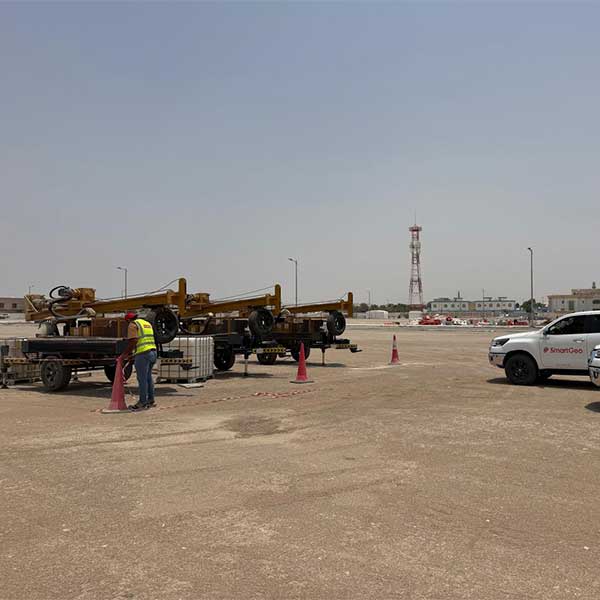
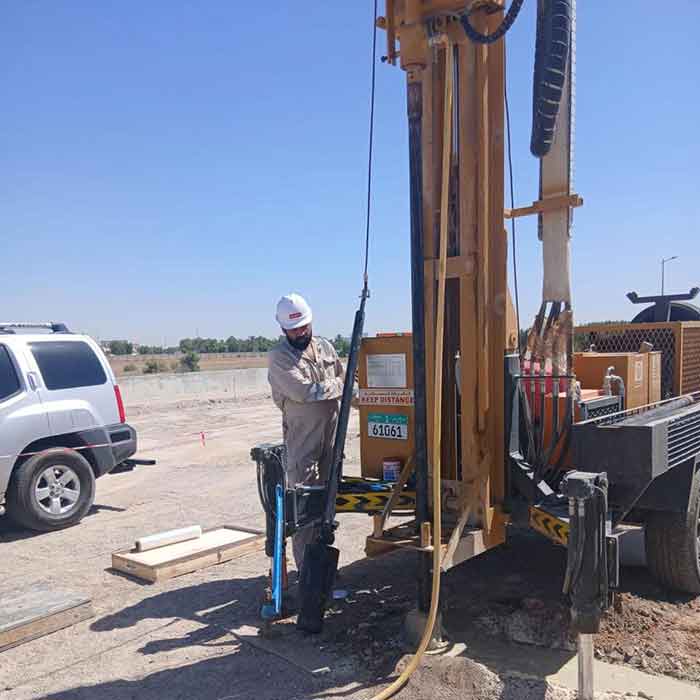
Offshore geotechnical drilling involves drilling boreholes below the seabed to obtain representative soil samples and investigate subsurface conditions. Specialized marine equipment is used according to the water depth, seabed conditions, accessibility, and requirements of the project.
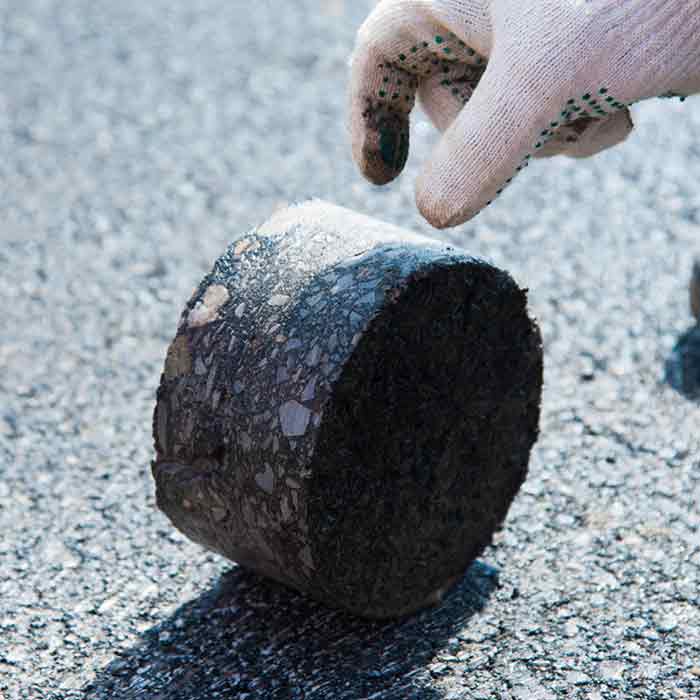
The recovered samples can be logged and analyzed through field and laboratory testing to establish the engineering properties of different soil layers.
Learn more about borehole drilling services in UAE and their role in understanding subsurface conditions.
Offshore Geotechnical Drilling in Dubai
Dubai continues to develop major waterfront, marine, port, and infrastructure projects. These developments often require detailed information about seabed conditions before foundations or other marine structures can be designed.
Offshore drilling can help identify variations in soil strata and provide samples for engineering analysis. This information is particularly valuable where marine foundations, piling, reclamation, or other subsea construction activities are planned.
A complete marine geotechnical investigation can combine drilling with other investigation techniques to provide a broader understanding of the site.
Offshore Geotechnical Drilling in Abu Dhabi
Abu Dhabi has extensive marine infrastructure, including ports, coastal developments, industrial facilities, and offshore projects. Ground conditions can vary between coastal and offshore locations, making reliable site investigation an important part of project planning.
Offshore boreholes can provide direct information about the sequence and characteristics of seabed materials. The collected samples may then be subjected to appropriate laboratory testing to support engineering design.
For projects requiring subsurface assessment, soil investigation in UAE can provide valuable information for foundation and construction planning.
What Information Can Offshore Drilling Provide?
A properly planned offshore drilling program can help engineers understand several important aspects of the marine ground profile, including:
- Soil and sediment stratification
- Depth and thickness of different soil layers
- Soil strength and engineering characteristics
- Presence of weak or compressible layers
- Sampling requirements for laboratory analysis
- Ground conditions relevant to marine foundations
This information can then be incorporated into the wider geotechnical model for the project.
Combining Drilling with CPT Marine Testing
Borehole drilling provides physical samples from selected depths, while in-situ testing can provide additional information about soil behavior between investigation points. Combining different techniques can therefore improve the understanding of complex marine ground conditions.
CPT marine testing can be used as part of a broader offshore investigation program where continuous subsurface information is required.
Marine Sub-Bottom Profiling
Geophysical investigation can complement offshore drilling by providing information between borehole locations. Marine sub-bottom profiling can help identify subsurface interfaces, sediment layers, and variations beneath the seabed.
When drilling, CPT, and geophysical techniques are interpreted together, engineers can develop a more comprehensive understanding of the marine site.
Explore marine sub-bottom profiling and geotechnical investigation for additional information.
Offshore Soil Testing and Laboratory Analysis
Samples collected during offshore drilling can be transported for appropriate laboratory examination. Depending on project requirements, testing may evaluate properties such as density, moisture, particle size, strength, and other engineering characteristics.
Specialized geotechnical laboratory testing helps convert field samples into useful engineering data for design and construction decisions.
Applications of Offshore Geotechnical Drilling
Offshore geotechnical drilling can support various marine and coastal developments, including:
- Port and harbour developments
- Marine infrastructure
- Offshore foundations
- Coastal development projects
- Industrial marine facilities
- Marine piling projects
- Waterfront developments
- Subsea and offshore construction
Why Accurate Marine Ground Investigation Matters
Unexpected ground conditions can affect construction methods, foundation selection, project schedules, and costs. Early investigation provides engineers with information that can be used to identify potential ground-related challenges before construction begins.
For this reason, offshore drilling should be considered as part of a properly planned geotechnical services program, rather than as an isolated testing activity.
Conclusion
Offshore geotechnical drilling in UAE is an important investigation method for understanding seabed and subsurface conditions before marine construction begins. In rapidly developing locations such as Dubai and Abu Dhabi, reliable geotechnical information can support safer foundation design, better construction planning, and more informed engineering decisions.
By combining offshore drilling with CPT, laboratory testing, and marine geophysical investigation, project teams can develop a more complete picture of the ground conditions beneath a proposed development.
For professional marine investigation and geotechnical solutions in the UAE, visit SmartGeo.