Enquire Now
Client Guide: What to Expect During a Geotechnical Investigation in UAE
Before any construction project begins, understanding subsurface conditions is essential. A geotechnical investigation in UAE provides critical data about soil, rock, and groundwater to ensure structures are safe and stable.
For developers and contractors, knowing what to expect during this process helps in better planning, budgeting, and decision-making while working with geotechnical engineering services.
What is a Geotechnical Investigation?
A geotechnical investigation is the process of studying subsurface conditions to determine whether the ground is suitable for construction. It combines fieldwork such as borehole drilling with laboratory testing to evaluate soil behavior under different loads and environmental conditions.
This investigation forms the foundation for designing safe structures, from residential buildings to large infrastructure projects.
Why It Matters for Your Project
Skipping or underestimating this stage can lead to costly risks such as settlement, foundation failure, or construction delays. A proper investigation helps:
- Determine soil bearing capacity
- Identify weak or unstable layers through soil investigation
- Understand groundwater conditions
- Ensure compliance with local regulations
- Optimize foundation design and reduce costs
Step-by-Step: What Happens During the Process
Initial Site Review
The process begins with a site visit where engineers assess visible conditions such as terrain, access, and surrounding structures. This helps define the scope of ground investigation.
Field Investigation and Testing
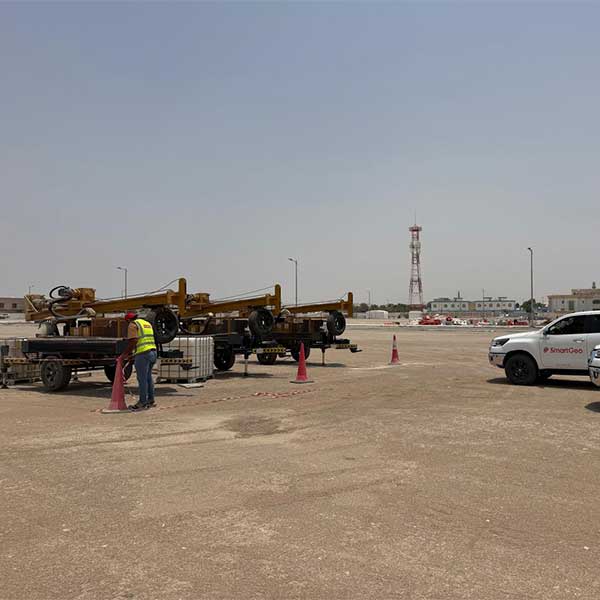
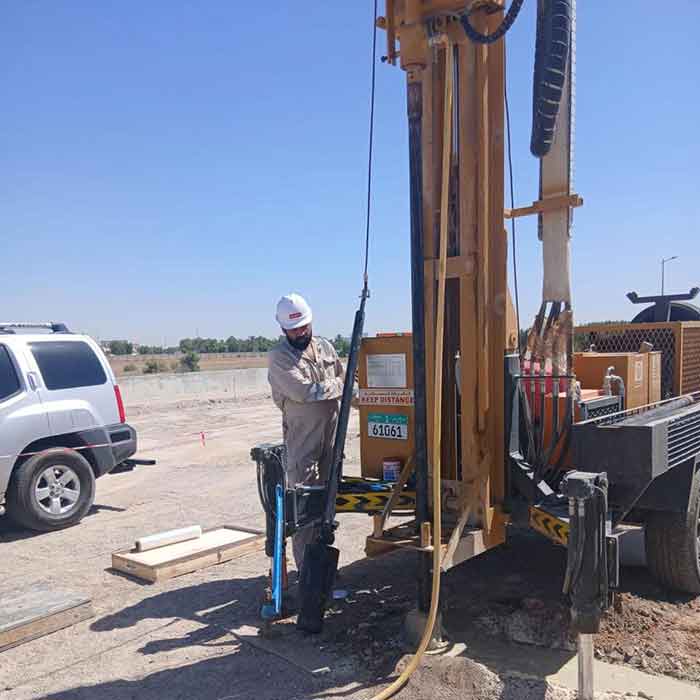
Engineers carry out on-site tests to examine subsurface conditions. Common methods include:
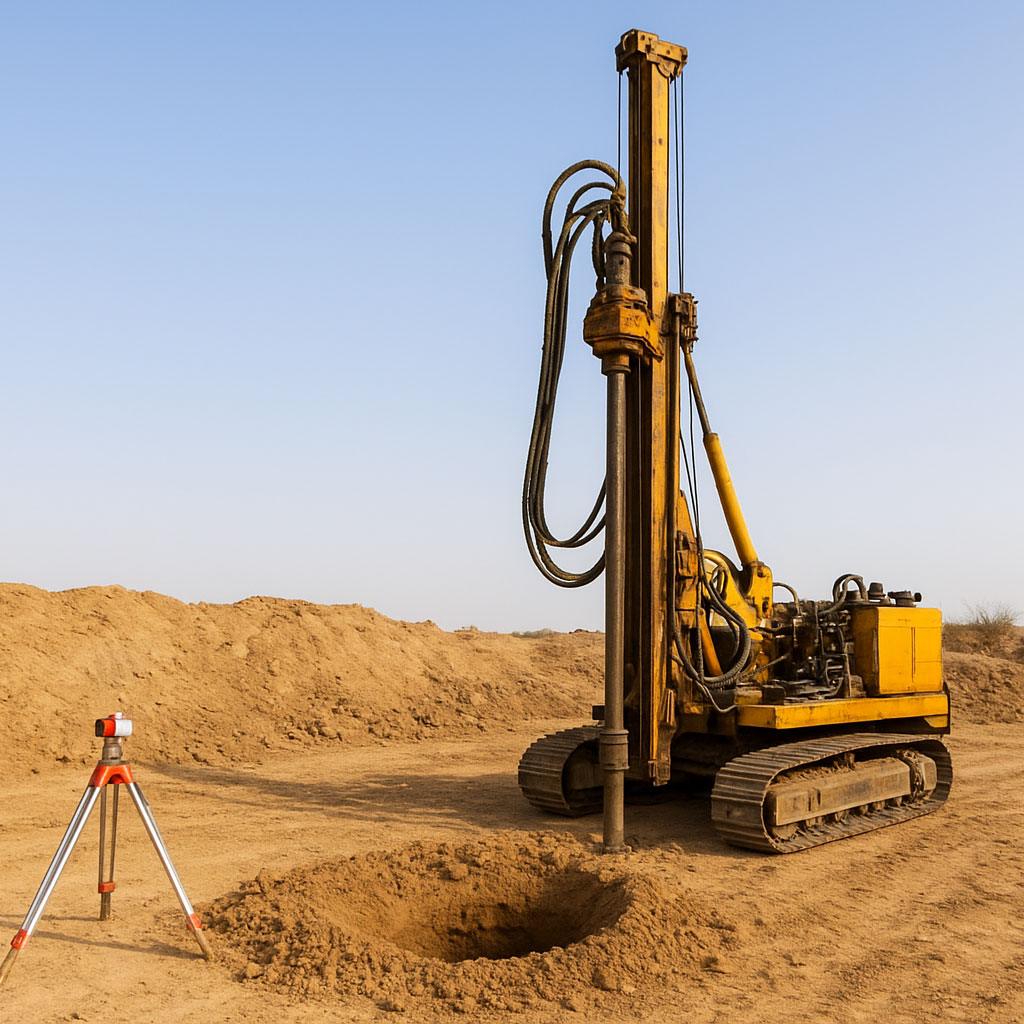
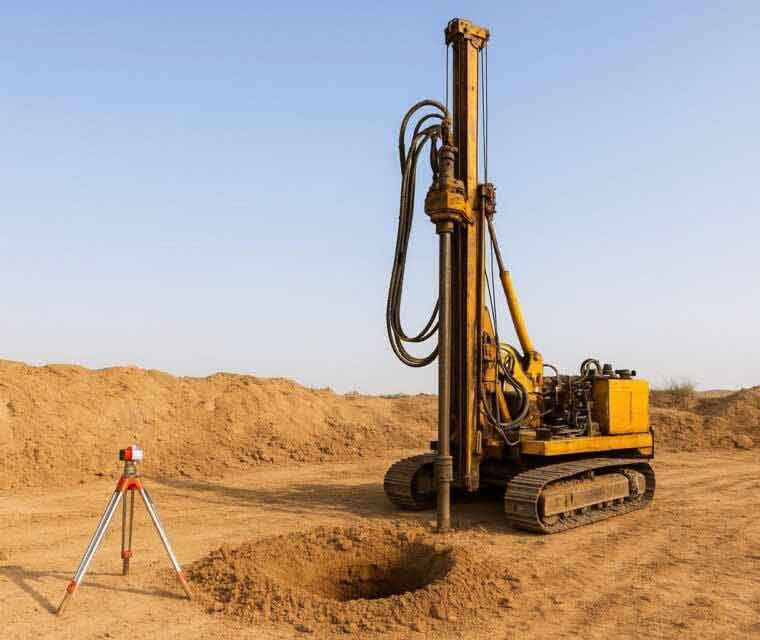
- Borehole drilling and soil sampling
- Cone Penetration Testing (CPT) for continuous soil profiling
- Trial pits for shallow investigations
CPT involves pushing a cone into the ground to measure soil resistance and identify layers in real time.
Soil Sampling
Samples are collected from different depths and preserved carefully. These samples represent actual ground conditions and are later analyzed in a geotechnical laboratory.
Laboratory Testing
Collected samples are tested to determine:
- Soil classification and composition
- Strength and load-bearing capacity
- Moisture content and density using proctor testing
- Permeability and consolidation behavior
Data Analysis and Interpretation
Engineers analyze both field and lab results to create a complete soil profile. This step identifies risks such as loose sand, soft clay, or high groundwater levels.
Final Report and Recommendations
The investigation concludes with a comprehensive report that includes:
- Soil profile and test results
- Engineering analysis
- Foundation design recommendations
- Risk assessment and mitigation strategies
This report is critical for structural engineers and project consultants.
Timeline of a Typical Investigation
- Small projects: 2–5 days
- Medium projects: 1–2 weeks
- Large infrastructure: several weeks
Efficient planning ensures minimal delays to your construction schedule.
What Clients Should Prepare
- Provide site access and location details
- Share project drawings (if available)
- Confirm required testing standards
- Coordinate timelines with consultants
Proper coordination helps avoid delays and ensures accurate results.
Common Challenges in UAE Projects
- Loose sandy soils in coastal areas
- Reclaimed land with variable fill materials
- High groundwater levels
- Rocky terrain in inland regions
Understanding these conditions early helps prevent unexpected construction issues.
Why Choose SmartGeo
SmartGeo provides professional geotechnical investigation services across the UAE, integrating advanced field techniques like geophysical studies and GPR surveys.
- Modern testing methods and equipment
- Compliance with international standards
- Fast turnaround time
- Clear and detailed reporting
Conclusion
A geotechnical investigation is a critical step that determines the success of your project. By understanding the process, clients can reduce risks, optimize costs, and ensure long-term structural stability.
With expert support and accurate data, every project in the UAE can begin with confidence and a strong foundation.