Enquire Now
The Hidden Risks of Skipping Soil Testing Before Construction in UAE
In the UAE’s fast-growing construction sector, speed and efficiency are often top priorities. However, skipping soil testing in UAE at the planning stage can create serious long-term risks. Soil conditions vary significantly across the region, making proper soil investigation essential before any construction begins.
Why Soil Conditions in the UAE Are Unique
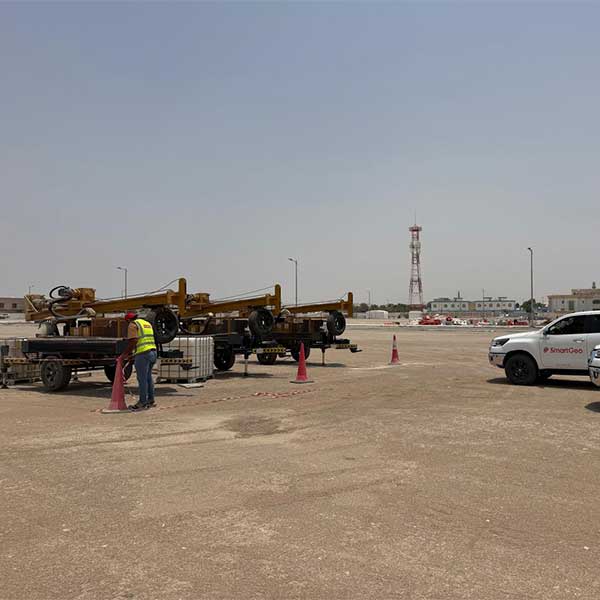
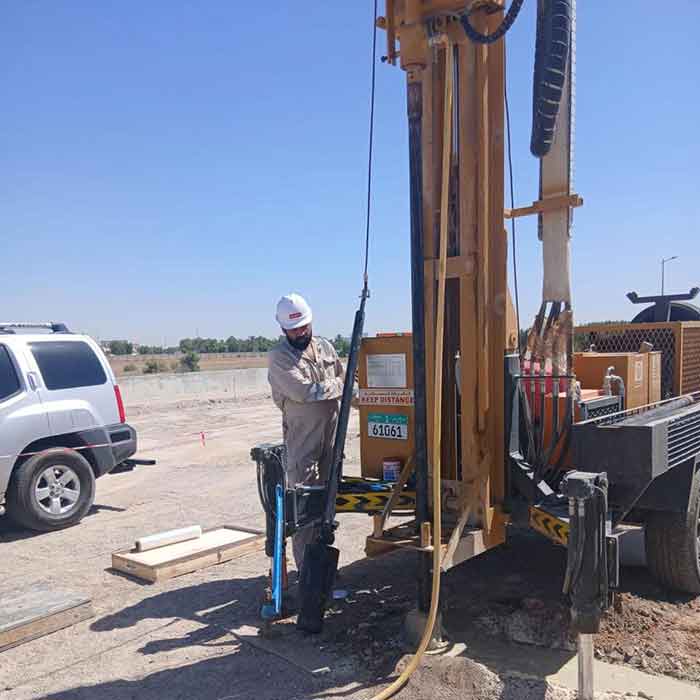
Much of the UAE consists of sandy soil, reclaimed land, and areas with high salinity and groundwater levels. These conditions are typically assessed through geotechnical engineering services and ground investigation.
Without proper testing, foundation design is often based on assumptions rather than accurate subsurface data.
Key Risks of Building Without Soil Testing
Unpredictable Ground Behavior
Soil can compress, shift, or lose strength under load. Without proper geophysical studies, these behaviors remain unknown, increasing settlement risks.
Poor Foundation Performance
Improper design without laboratory validation from a geotechnical laboratory can lead to cracking or structural failure.
Construction Delays and Redesign
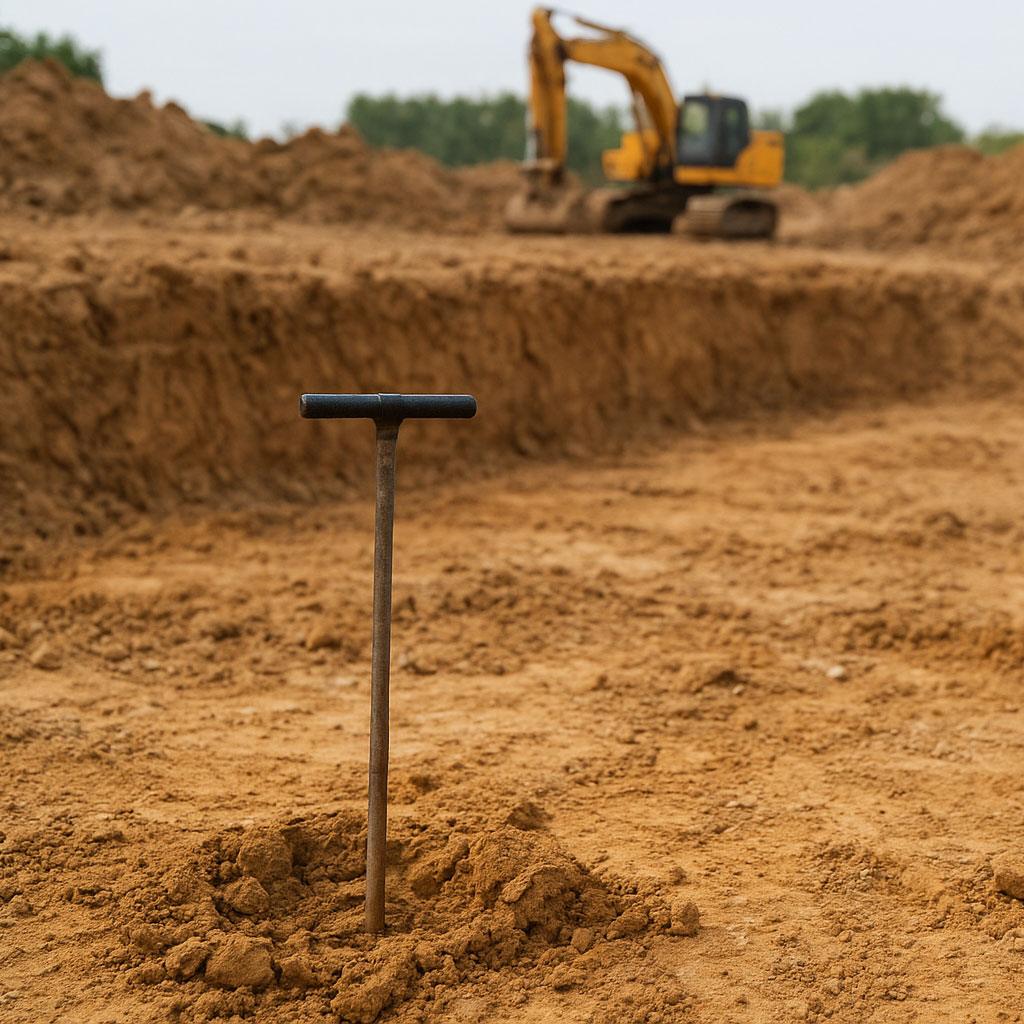
Unexpected soil issues discovered during excavation often require redesign. Proper planning with borehole drilling services helps avoid such delays.
Moisture and Groundwater Problems
Groundwater levels and permeability affect basements and drainage systems. These risks are identified through GPR and ERT surveys.
Regulatory and Approval Challenges
UAE authorities require geotechnical reports for approvals. Missing documentation from soil testing UAE can delay project permits.
How Soil Testing Reduces Project Risk
Soil testing provides essential engineering data used in foundation design and construction planning.
- Safe and efficient foundation design
- Improved material selection through material testing
- Reduced structural risks
- Compliance with UAE authority requirements
- Better budgeting and project planning
Final Thoughts
Skipping soil testing may save time initially, but it increases long-term risks significantly. Proper soil testing and geotechnical investigation in UAE ensures safe, durable, and cost-effective construction.
For all construction projects across Abu Dhabi, Dubai, and the UAE, soil testing is not optional—it is a critical step in ensuring structural safety and success.