Enquire Now
CPT Marine UAE: Advanced Seabed Testing for Offshore Foundation Design
In the UAE’s rapidly expanding coastal infrastructure sector, accurate CPT marine testing plays a critical role in ensuring safe and durable offshore construction. From Dubai waterfront developments to Abu Dhabi ports and reclamation zones, every marine project depends on precise marine geotechnical investigation and reliable soil investigation results.
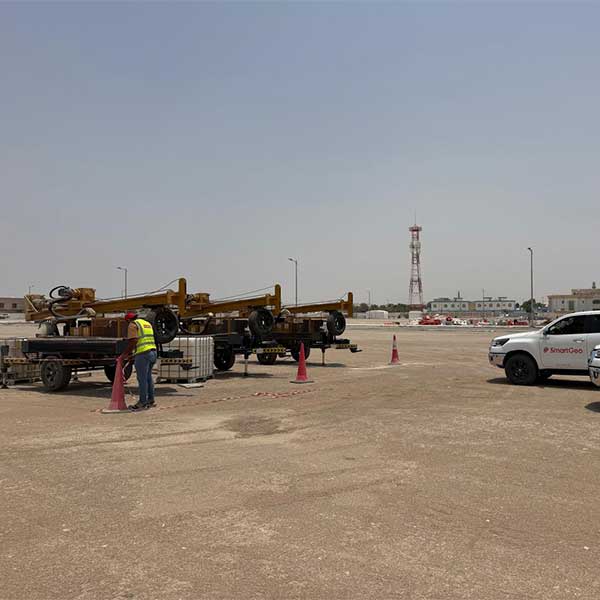
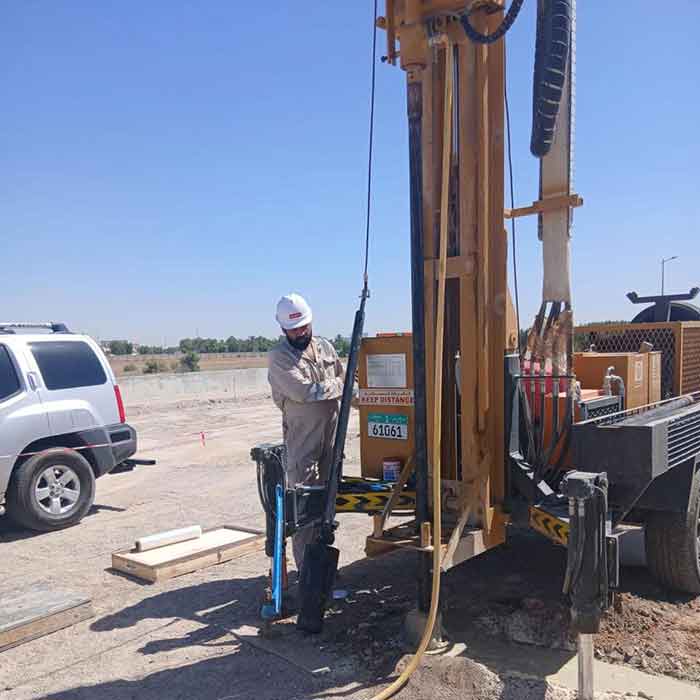
SmartGeo delivers advanced offshore testing integrated with soil testing, geotechnical investigation, and high-precision field methods including borehole drilling services and advanced offshore CPT systems.
What is CPT Marine Testing?
CPT marine (Cone Penetration Testing) is an in-situ method used to evaluate seabed soil conditions for offshore construction. It provides continuous subsurface data that supports safe foundation design for ports, jetties, bridges, and offshore structures across Dubai and Abu Dhabi.
This testing is often combined with geotechnical laboratory analysis and soil laboratory testing to ensure complete ground characterization.
Why CPT Marine is Essential in UAE Offshore Projects
- Supports accurate soil test interpretation for marine foundations
- Enhances ground investigation accuracy in coastal zones
- Reduces risks in offshore piling and dredging works
- Improves design inputs for geotechnical services
- Ensures compliance with UAE authority requirements
Applications of CPT Marine Testing in UAE
CPT marine testing supports a wide range of infrastructure and offshore developments across Dubai, Abu Dhabi, and other Emirates:
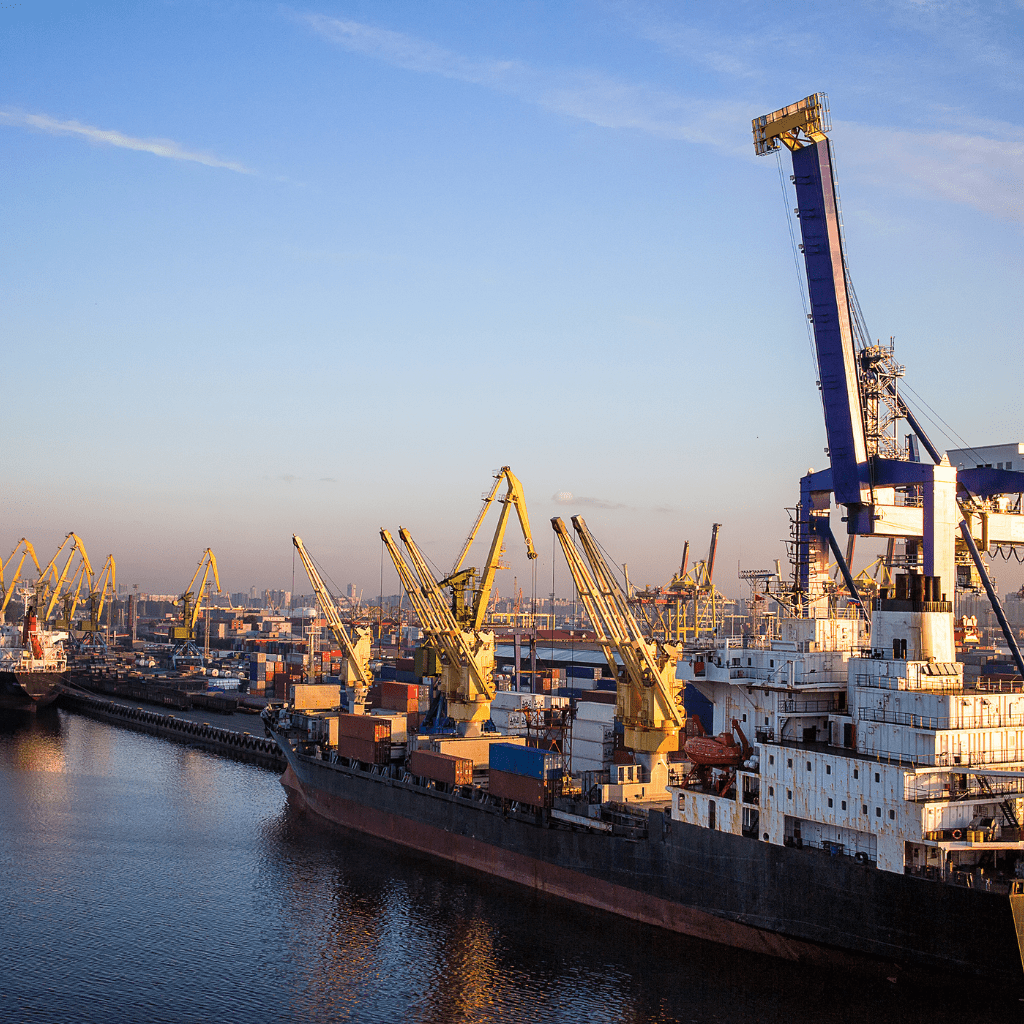
- Port and harbor development (Abu Dhabi, Jebel Ali)
- Land reclamation and coastal protection projects
- Offshore oil & gas infrastructure
- Subsea pipelines and marine utility corridors
- Bridge and jetty foundation design
These projects often require integration with bathymetric survey, marine subbottom profiling, and advanced GPR survey methods for complete subsurface understanding.
Integration with Geotechnical & Material Testing
Marine CPT results are validated through geotechnical laboratory testing and material testing lab analysis. This ensures accurate interpretation for foundation design in complex marine soils.
SmartGeo also supports projects with proctor test results, concrete testing, and asphalt testing where marine-linked infrastructure connects to land development.
Regional Importance Across UAE
Dubai
Dubai’s coastal expansion projects require high-precision marine geotechnical investigation combined with soil investigation to support reclamation and waterfront developments.
Abu Dhabi
Abu Dhabi offshore oil & gas zones depend heavily on CPT marine data integrated with borehole drilling and ground testing.
Al Ain
Although inland, Al Ain projects rely on geotechnical investigation, soil testing company services, and geophysical interpretation for regional infrastructure planning.
Why Choose SmartGeo for CPT Marine UAE
- Expert in CPT marine investigations
- Integrated geotechnical services
- Advanced soil testing lab support
- Strong expertise in geotechnical consultants
- Complete offshore + onshore investigation capability
Conclusion
CPT marine testing is essential for safe offshore development in the UAE. When combined with soil investigation, geotechnical laboratory analysis, and advanced geophysical survey methods, it ensures reliable foundation design for marine infrastructure.
SmartGeo delivers complete offshore and onshore engineering intelligence across Dubai, Abu Dhabi, and the UAE.